
What Prop 479 Means for Southeast Mesa Real Estate (And Why It Matters Long Term)
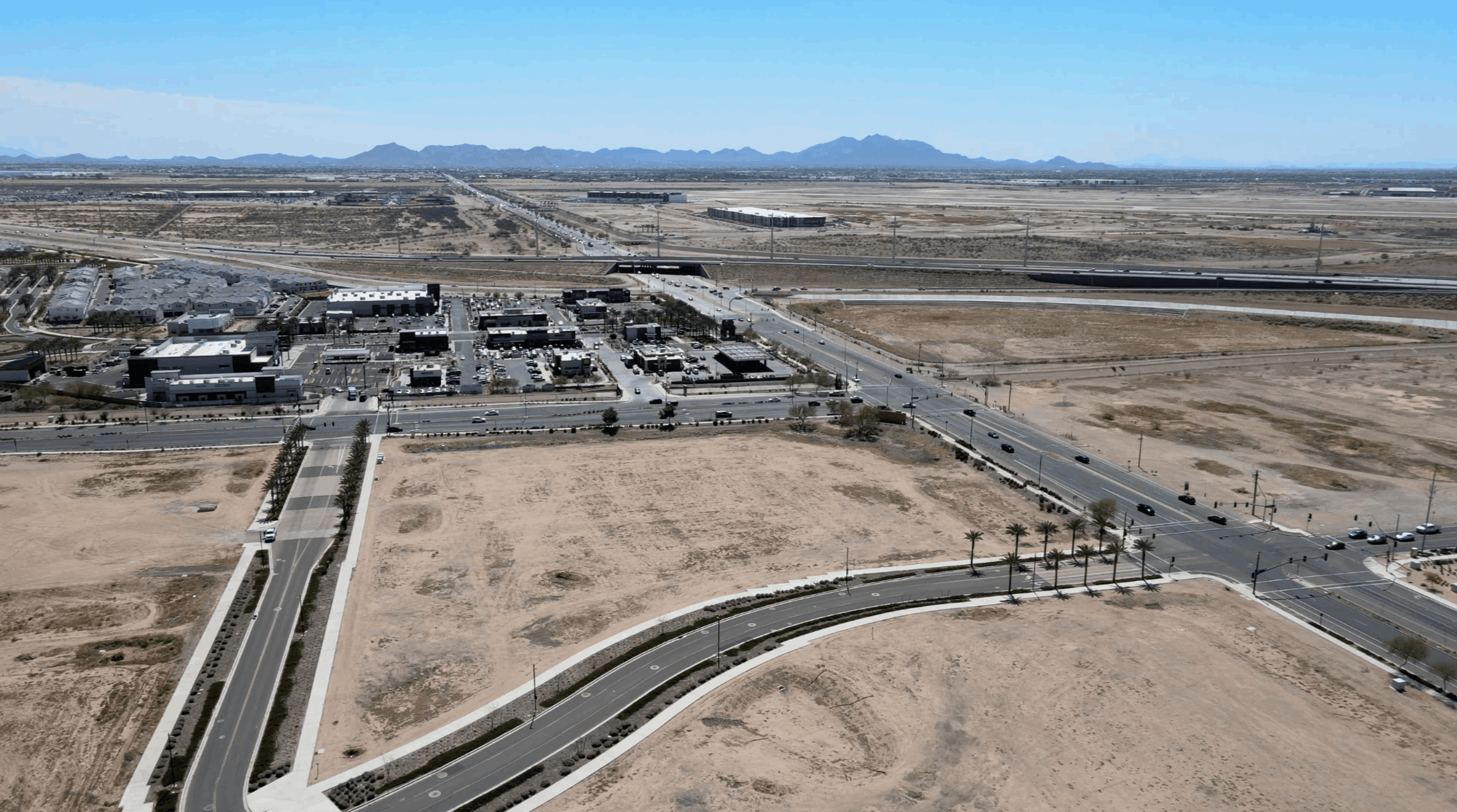
If you live in Southeast Mesa, you’ve felt it.
More new neighborhoods.
More traffic on Power Road.
Longer waits at Warner.
More pressure near the U.S. 60 and SR-24.
Southeast Mesa growth has accelerated over the past decade, and now Maricopa County has laid out a long-term transportation plan that directly affects the future of Mesa real estate.
It’s called Proposition 479, and it funds road and freeway improvements through 2043.
This isn’t theoretical. It’s scheduled.
What Is Prop 479 in Mesa?
Prop 479 is a voter-approved transportation funding plan for Maricopa County. The goal is simple: improve arterial roads, intersections, and freeways to support continued population growth across the East Valley.
For Southeast Mesa specifically (District 6), it outlines phased improvements beginning in 2026 and extending nearly 20 years forward.
For anyone watching Southeast Mesa real estate trends, this matters more than most people realize.
Southeast Mesa Road Improvements by Phase
Phase 1 (2026–2030)
• Warner Road: Sossamon to Power
• U.S. 60: Ellsworth to Meridian
• SR-24 expansion toward Ironwood
These are major congestion corridors already under strain due to housing growth.
Phase 2 (2031–2035)
• Hawes Road: Baseline to Elliot
• Meridian Road: Germann to SR-24
These improvements support continued residential expansion moving east and south.
Phase 3 (2035–2040)
• Sossamon Road: Guadalupe to Warner
• Crismon Road: Williams Field to Germann
These upgrades address deeper neighborhood traffic patterns as Southeast Mesa continues building out.
Phase 4 (2041–2043)
• Power & Pecos intersection improvements
• Loop 202 improvements
• Meridian Road: Baseline to Elliot
These long-term projects align with projected population increases in Mesa and surrounding East Valley communities.
Why This Matters for Mesa Real Estate
Infrastructure drives housing stability.
When roads improve:
• Commute times become more predictable
• Commercial development follows rooftops
• Retail expands
• Property values gain long-term support
If housing grows without transportation planning, traffic becomes a long-term friction point. If infrastructure keeps pace with growth, the market feels sustainable.
For anyone buying or investing in Southeast Mesa real estate, road planning is a major signal of long-term confidence.
Questions Mesa Homeowners Are Asking
Is traffic going to get worse before it gets better?
Yes. Construction phases often create temporary delays. But widening projects and intersection improvements are designed to increase capacity and reduce bottlenecks over time.
Does this mean more housing is coming?
Most likely.
Counties don’t plan decades of infrastructure upgrades unless population growth projections justify it. Southeast Mesa continues to be one of the key expansion corridors in the East Valley.
Will this impact home values in Southeast Mesa?
Road improvements generally increase accessibility and livability, which supports long-term value. While short-term construction may create inconvenience, improved transportation infrastructure strengthens overall market fundamentals.
Why plan transportation improvements 15–20 years out?
Because development cycles are long. Engineering, funding, permitting, and population modeling all take time. Planning decades ahead prevents reactive, crisis-level congestion.
What I’m Watching as a Local Mesa Realtor
When I analyze the Mesa housing market, I watch:
• Building permits
• Expansion near SR-24 and Loop 202
• Arterial widening projects
• Retail and commercial movement following road upgrades
Southeast Mesa growth patterns today resemble what parts of Gilbert experienced 15–20 years ago: early expansion, infrastructure catching up, and long-term stability building underneath it.
Recap for Southeast Mesa
Prop 479 isn’t flashy.
It’s not a new shopping center or a new restaurant announcement.
It’s more important than that.
It’s a long-term transportation investment in Southeast Mesa’s future...improving connectivity, reducing congestion, and supporting continued real estate growth.
Will there be construction phases? Yes.
But long term, this signals commitment to keeping Mesa functional and competitive as population increases.
If you live in Southeast Mesa, it’s worth understanding what’s scheduled near you.
If you’re considering buying in Southeast Mesa, infrastructure planning should absolutely factor into your long-term decision.
Because real estate isn’t just about the house.
It’s about how you move around it.
Recent Posts